India oud carries a reputation that few fragrance materials can match. Known in Arabic perfumery as Hindi oud أو Oudh Hindi, it is admired for its deep, resinous, leathery, smoky, and sometimes animalic character. For many oud collectors in the Gulf, India oud represents the classic profile of aged agarwood: bold, spiritual, complex, and unmistakably traditional.
The story of India oud is closely tied to the forests of Northeast India, ancient incense culture, Ayurvedic traditions, attar-making heritage, and the luxury fragrance trade that connects India with the Middle East, Southeast Asia, and global perfume houses. At Fatma Perfumes, this heritage matters because authentic oud is not only a scent; it is a material shaped by origin, age, craftsmanship, legality, and trust.
This guide explores the history, heritage, scent profile, regional identity, quality indicators, sustainability concerns, and global reputation of India oud for readers who want more than surface-level fragrance descriptions.
What Is India Oud?
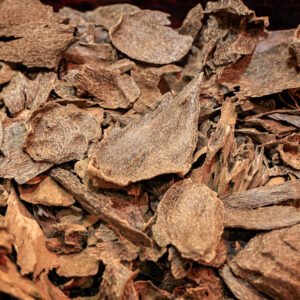
India oud refers to agarwood resin, oud chips, and oud oil associated with India, especially the traditional agarwood-producing regions of the Northeast. Oud forms inside certain species of the Aquilaria tree when the tree responds to stress, injury, microbial activity, or infection by producing fragrant resin. Over time, this resin darkens the wood and creates the prized aromatic material known as agarwood, aloeswood, oudh, or oud.
India has long been linked with Aquilaria malaccensis, a species historically associated with high-quality agarwood across South and Southeast Asia. Some regional discussions also mention native or locally occurring Aquilaria varieties in Northeast India. The most famous Indian oud identity, however, is not only botanical. It is cultural. “Hindi oud” has become a fragrance category with a recognizable personality: dark, mature, earthy, warm, and persistent.
For readers comparing terms, Fatma Perfumes has a useful guide on agarwood vs oudh, which explains how the tree, resinous wood, oil, and finished perfume relate to one another.
The Historical Roots of Indian Agarwood
India’s relationship with agarwood is ancient. In Sanskrit and classical Indian traditions, agarwood has often been associated with names such as aguru أو agaru. It appears in cultural memory as a material used for incense, perfumed oils, ritual offerings, wellness preparations, and refined personal fragrance.
Unlike many modern fragrance ingredients that became famous through branding, Indian oud gained status through centuries of use. It was burned in sacred spaces, blended into oils, traded by merchants, and valued by royal and noble households. The material’s rarity gave it prestige, while its powerful aroma made it memorable.
India’s historic perfume-making centers, including the attar traditions of North India, helped preserve the art of oil-based fragrance. Oud, sandalwood, rose, musk accords, saffron, and spices all played roles in this world. If you enjoy historical context, Fatma Perfumes also covers the broader history of agarwood from ancient rituals to modern perfumery.
Why Northeast India Became Important for Oud
The strongest association between India and oud comes from the Northeast: Assam, Nagaland, Manipur, Tripura, Mizoram, and surrounding areas. These regions offer humid climates and ecological conditions suitable for agarwood trees. Over generations, local communities learned how to recognize resinous wood, grade chips, distill oil, and trade the material through established routes.
Assam, in particular, became closely linked with the word “agar.” Traditional Indian oud oil is often described as dense and tenacious, with a fermented, earthy warmth that develops beautifully on skin. Nagaland and Manipur also hold importance in oud discussions, especially for buyers who appreciate regional variation. Fatma Perfumes features oud oils such as دهن ناجالاند و دهن مانيبور for those exploring this heritage through Dehn Al Oud.
How India Oud Forms Inside the Agarwood Tree
Oud does not come from ordinary wood. A healthy Aquilaria tree may contain pale, lightly scented wood with little commercial value. The famous aroma appears when the tree produces resin as a natural defense response. This resin can develop around wounds, fungal interaction, natural cracks, insect activity, or managed inoculation in plantation settings.
Over time, resin-rich sections become darker, heavier, and more aromatic. The quality depends on many factors: tree age, resin density, species, soil, climate, infection pattern, drying, cleaning, and handling. This is why two pieces of Indian oud from the same region can smell different.
For a deeper botanical explanation, see Fatma Perfumes’ guide to the agarwood tree. Readers interested in production can also learn how agarwood is harvested and distilled into luxury perfume.
The Signature Scent Profile of India Oud
India oud is famous because it does not try to be polite. Its beauty lies in strength, depth, and evolution. A fine Hindi oud can open with damp earth, old leather, smoke, and fermented woods before revealing sweetness, balsamic warmth, spice, and a long resinous trail.
Some wearers describe the opening as barnyard-like or animalic. In traditional oud culture, this is not always a flaw. When balanced, it can signal aged fermentation and classic Hindi character. Poor-quality or badly distilled oil, however, may smell harsh, dirty, sour, or flat. The difference comes down to raw material, distillation skill, aging, and honesty in grading.
- Top impression: smoky, earthy, leathery, sometimes animalic.
- Heart: resinous wood, warm spice, damp forest, aged tobacco nuances.
- Drydown: balsamic, deep, slightly sweet, lingering, meditative.
- Best suited for: oud lovers, collectors, traditional fragrance wearers, incense rituals, luxury layering.
For a direct comparison with Cambodian styles, read Fatma Perfumes’ guide on Oudh Hindi vs Oudh Cambodi.
India Oud Compared with Other Regional Oud Profiles
Every oud-producing region has its own aromatic language. India oud is usually prized for gravitas and traditional depth, while other origins may highlight sweetness, smoothness, fruitiness, or dry incense tones.
| Oud Origin | Common Scent Character | Typical Appeal |
|---|---|---|
| India Oud / Hindi Oud | Earthy, leathery, smoky, animalic, resin-rich, mature | Collectors and lovers of classic Arabian oud traditions |
| Cambodi Oud | Sweet, warm, fruity, rounded, luxurious | Wearers who prefer smoother and sweeter oud styles |
| عود ماليزي | Woody, green, resinous, sometimes clean and bright | Those who enjoy balanced woods and natural warmth |
| عود سريلانكي | Soft, refined, woody, incense-like, elegant | Buyers seeking gentle sophistication and smooth burn quality |
Those exploring regional oud collections can browse Fatma Perfumes’ Indian Oud and Hindi Oud category, along with the broader oud collection.
Why India Oud Became Famous in the Gulf
The Gulf has played a major role in preserving and celebrating Indian oud. In the UAE, Saudi Arabia, Qatar, Oman, Kuwait, and Bahrain, Hindi oud is often associated with hospitality, weddings, majlis gatherings, prayer, personal grooming, and ceremonial fragrance rituals.
Many Gulf oud lovers appreciate India oud because it feels traditional and authoritative. It can scent clothing, hair, rooms, and personal space with a deep trail that lasts. In oil form, a tiny swipe may remain noticeable for hours. In wood-chip form, high-quality Indian oud can release complex smoke when gently heated over charcoal or an electric burner.
For readers based in the UAE, Fatma Perfumes explains regional buying considerations in oud price in Dubai and also explores oud perfume as a scent of heritage in Dubai.
Forms of India Oud: Chips, Oil, Perfume, and Muattar
India oud reaches fragrance lovers in several forms. Each offers a different experience, and the best choice depends on how you plan to use it.
- Oud chips: Resinous wood pieces burned for incense, hospitality, and personal scenting.
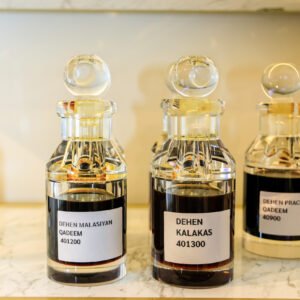
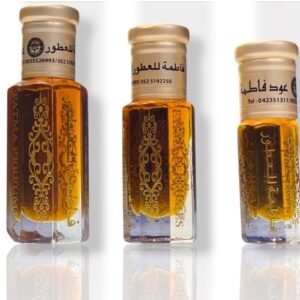
- Dehn Al Oud: Distilled oud oil worn directly on skin or used in blends.
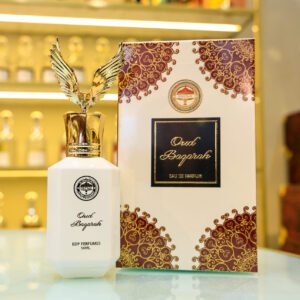
- Oud perfume: Alcohol-based or oil-based compositions featuring oud as a key accord.
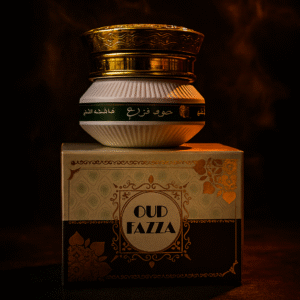
- Oud muattar: Oud chips enhanced with fragrant oils, often used for home and clothing scenting.
- Makhallat: Blended perfume oils combining oud with rose, amber, musk, saffron, or florals.
Fatma Perfumes offers traditional Indian profiles such as هند العود, العود الكشميري, and premium Hindi wood selections including هندي موري دبل سوبر.
How to Judge Quality in India Oud
Good India oud should be assessed patiently. Rushing the process often leads buyers to mistake intensity for quality. A powerful smell is not enough. The aroma should show depth, balance, and development.
Key Quality Indicators
- Natural complexity: Fine oud changes from opening to drydown or from first smoke to final warmth.
- Resin density: Darker, heavier, resin-rich wood often carries stronger value, though appearance alone is not proof.
- Clean burn: Good chips should release layered aroma, not chemical harshness.
- Oil texture: Quality Dehn Al Oud often feels rich and concentrated, but viscosity varies by distillation and age.
- Balanced animalic tone: Traditional Hindi oud may smell animalic, but it should not smell rotten, synthetic, or aggressively sour.
- Trusted sourcing: Legal, transparent supply matters because agarwood is regulated internationally.
Beginners can avoid common mistakes by reading Fatma Perfumes’ practical guide on how to identify pure agarwood.
Sustainability, CITES, and Responsible Trade
India oud’s prestige also comes with responsibility. Wild agarwood became vulnerable in many regions due to overharvesting and high global demand. Because of this, Aquilaria species are regulated under CITES Appendix II, which means international trade requires proper documentation and must follow legal controls.
Responsible oud suppliers do not treat sustainability as a marketing phrase. They pay attention to legal sourcing, plantation development, documentation, traceability, and careful grading. Cultivated agarwood has become increasingly important because it can reduce pressure on wild trees while supporting farmers and long-term supply.
India’s modern agarwood industry includes plantations, managed inoculation, and renewed interest in legal cultivation. Fatma Perfumes discusses this wider topic in agarwood in India and in the agarwood plantation guide.
Common Myths About India Oud
| Myth | Reality |
|---|---|
| All dark oud is high quality. | Color helps, but resin content, aroma, origin, treatment, and burn behavior matter more. |
| Animalic smell means the oud is bad. | Classic Hindi oud can be animalic. The key is whether it smells balanced, aged, and refined. |
| Pure oud oil always smells pleasant at first sniff. | Some pure oils need time on skin to reveal sweetness, warmth, and depth. |
| Only wild oud is valuable. | Well-managed cultivated oud can be excellent and supports more responsible supply. |
Buying India Oud: Practical Advice from Fatma Perfumes
Before buying India oud, decide whether you want chips for burning, oil for skin, or a finished perfume for daily wear. Each format has a different price logic. Oud chips are judged by resin, aroma, size, grade, and burn performance. Oud oil depends on raw material, distillation method, age, purity, and rarity. Oud perfumes depend on composition, concentration, and the quality of the oud accord or oil used.
Ask the seller clear questions: What is the origin? Is it natural oud, cultivated oud, or a blend? How should it be used? Is it better on charcoal or an electric burner? Does the oil need aging? A trustworthy supplier will answer without pressure.
Collectors can explore the full Dehn Al Oud range, while perfume lovers may prefer the oud perfume collection. For broader reading, the Fatma Perfumes blogs and articles section covers oud, agarwood, attars, perfume oils, and regional fragrance culture.
How to Store India Oud Properly
Oud rewards careful storage. Keep oud chips in an airtight container away from moisture, direct sunlight, strong odors, and excessive heat. Oud oil should be stored in a clean glass bottle, tightly closed, and kept in a stable environment. Many traditional oud lovers believe good oil can become smoother with age when stored correctly, although aging results vary by oil and distillation quality.
Do not leave oud chips exposed near incense, spices, or perfumes unless you intentionally want them to absorb nearby aromas. Pure oud has its own identity and deserves protection.
The Global Reputation of India Oud Today
India oud remains one of the most respected oud profiles in the world. Its name carries weight in Dubai souks, private collections, attar houses, and luxury fragrance circles. While modern perfumery often softens oud with rose, amber, vanilla, or musk, traditional Hindi oud continues to attract people who want authenticity and depth.
Its global reputation rests on four pillars: heritage, intensity, longevity, and cultural value. It is not the easiest oud for beginners, but it is one of the most rewarding for those who appreciate complexity. Fatma Perfumes honors this tradition by offering carefully selected oud, Dehn Al Oud, oud perfumes, and related fragrance materials for customers who value both beauty and knowledge.
FAQs About India Oud
What is India oud?
India oud is agarwood or oud oil associated with India, especially traditional Northeast Indian agarwood regions. It is commonly known as Hindi oud and is famous for its deep, earthy, leathery, smoky, and sometimes animalic aroma.
Why is Hindi oud so famous?
Hindi oud is famous because of its strong heritage, bold scent profile, long-lasting nature, and deep connection with Gulf fragrance culture. Many oud collectors consider it one of the classic oud styles.
Does India oud smell animalic?
Traditional India oud can smell animalic, leathery, or barnyard-like, especially in the opening. In high-quality oud, this character should feel balanced and complex rather than harsh or unpleasant.
Is Indian oud better than Cambodian oud?
Neither is universally better. Indian oud is often deeper, earthier, and more traditional, while Cambodian oud is usually sweeter, smoother, and more rounded. The best choice depends on personal taste.
Is agarwood from India legal to buy?
Agarwood trade is regulated because Aquilaria species are listed under CITES Appendix II. Buyers should choose trusted suppliers who follow legal sourcing, documentation, and responsible trade practices.
How can I identify pure India oud oil?
Pure oud oil usually develops over time on skin, showing layers of wood, resin, smoke, earth, and warmth. Be cautious with oils that smell flat, overly perfumed, chemical, or unusually cheap for the claimed grade.
Can India oud be worn daily?
Yes, but classic Hindi oud is powerful. Many wearers use a very small amount on pulse points or layer it with rose, musk, amber, or softer perfume oils for a smoother daily scent.
Where can I buy India oud in Dubai?
Fatma Perfumes offers Indian oud, Hindi oud, Dehn Al Oud, oud perfumes, and luxury fragrance materials for buyers who value authenticity, quality, and expert guidance.
To experience authentic oud, luxury perfume oils, and carefully selected fragrance materials, Visit Fatma Perfumes أو Contact Us on WhatsApp.
 English
  العربية