Agarwood has one of the most unusual price stories in the fragrance world. Two pieces of wood may look similar to an untrained eye, yet one may be suitable for everyday incense while the other may be prized by collectors, perfumers, and oud connoisseurs. This wide gap is why the agarwood price can feel confusing, especially for buyers comparing chips, oud oil, Dehn Al Oud, plantation wood, wild-origin material, or finished oud perfumes.
At Fatma Perfumes, agarwood is treated as a natural aromatic material with history, scarcity, craftsmanship, and cultural value behind it. Its market value does not come from rarity alone. Price depends on resin content, scent profile, origin, age, grade, processing method, legal sourcing, and the buyer’s purpose. A perfumer evaluates agarwood differently from a person buying chips for bakhoor, and a wholesaler may assess it differently from a collector seeking a rare Hindi or Sri Lankan profile.
This guide explains the main factors that shape agarwood value, so you can understand what you are paying for and ask better questions before buying.
Why Agarwood Is Valuable in the First Place
Agarwood forms inside certain Aquilaria and related trees when the tree produces dark, aromatic resin as a response to stress, injury, or microbial activity. Healthy white wood has little fragrance value. The precious material is the resin-rich heartwood that develops slowly and unevenly inside the tree.
This natural unpredictability is the foundation of agarwood pricing. Not every tree produces high-quality resin. Not every resinous piece smells beautiful. Even within one tree, the quality can vary from section to section. For a deeper botanical overview, Fatma Perfumes has also explained the natural source of oud in the agarwood tree guide.
For centuries, agarwood has been valued across the Middle East, India, Southeast Asia, China, and Japan for incense, traditional rituals, personal fragrance, and luxury perfumery. That long-standing demand still influences the market today. In the UAE and wider Gulf region, oud remains closely linked with hospitality, identity, and refined taste.
The Main Factors That Determine Agarwood Price
No single factor sets the price. Experienced buyers look at a combination of physical, aromatic, legal, and commercial details. The following points usually carry the most weight.
1. Resin Content
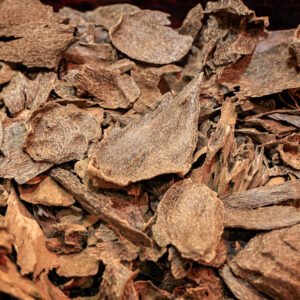
Resin density is one of the strongest indicators of value. Darker, heavier, oil-rich wood usually commands a higher price because it releases a deeper aroma when heated. High-resin pieces may bubble slightly on charcoal or an electric burner, giving a rich scent with complexity and longevity.
Low-resin wood may still smell pleasant, but it tends to burn faster and produce a lighter aroma. Buyers should not rely on color alone, because staining and artificial enhancement exist in the market. A trained nose, burn test, and supplier transparency matter.
2. Aroma Profile
The scent of agarwood can be sweet, woody, leathery, smoky, balsamic, earthy, animalic, fruity, spicy, or medicinal depending on origin and formation. A refined aroma with depth, smoothness, and lasting character often increases value.
Some buyers prefer bold Hindi oud with barnyard, leather, and aged depth. Others seek Cambodi-style sweetness, Malaysian balance, Philippine softness, or Sri Lankan elegance. Fatma Perfumes discusses these differences in more detail in the guide to Oudh Hindi vs Oudh Cambodi.
3. Origin and Regional Reputation
Origin plays a major role in agarwood price because different regions have distinct scent signatures and market reputations. Indian oud, Cambodian oud, Malaysian oud, Indonesian oud, Sri Lankan oud, Thai oud, and Philippine oud can all differ in aroma, resin behavior, and buyer demand.
For example, Hindi oud is often valued for its strength, maturity, and traditional prestige. Malaysian and Indonesian varieties may offer excellent balance and warmth. Philippine agarwood can be appreciated for softer, elegant profiles. Sri Lankan oud often attracts buyers looking for nuanced, refined aromatic character.
To explore regional categories, browse Fatma Perfumes’ selections of Indian Oud and Hindi Oud, Malaysian Oud, Philippine Oud, and Sri Lankan Oud.
4. Wild, Plantation, or Cultivated Source
Wild agarwood has historically received higher prices because of rarity, age, and complex resin formation. However, legal wild material is limited and strictly regulated in many regions. Plantation agarwood has become more important because it supports consistent supply and can reduce pressure on wild Aquilaria species.
Plantation material is not automatically low quality. Well-managed plantations, proper inoculation, sufficient aging, and careful harvesting can produce impressive agarwood. The difference lies in maturity, resin depth, and the skill behind cultivation. Readers interested in cultivation can review Fatma Perfumes’ agarwood plantation guide.
5. Grade and Sorting
Agarwood grades are not globally standardized. Terms such as Super, Double Super, Triple Super, Muri, Zura, King, VIP, and VVIP can vary by seller, region, and market tradition. This is why buyers should focus on the actual wood quality rather than the grade name alone.
A reliable supplier should be able to explain why a piece belongs to a certain grade. The explanation may include resin percentage, sinking behavior, aroma strength, origin, shape, cleanliness, and burn performance.
| Pricing Factor | What Buyers Should Check | Effect on Value |
|---|---|---|
| Resin density | Weight, darkness, oiliness, burn behavior | Higher resin usually raises price |
| Aroma quality | Smoothness, complexity, longevity, absence of harsh chemical notes | Beautiful scent profiles command premium value |
| Origin | Country, regional style, supplier documentation | Prestigious origins often cost more |
| Age and maturity | Depth, softness, developed resin character | Older, well-aged material may be more valuable |
| Legality and sourcing | CITES compliance, export documents where applicable | Ethical, legal supply supports trustworthy pricing |
Agarwood Chips, Oud Oil, and Perfume: Why Prices Differ
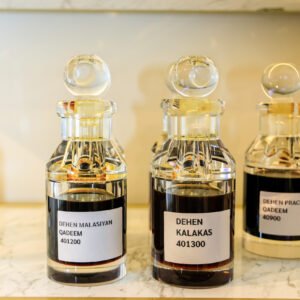
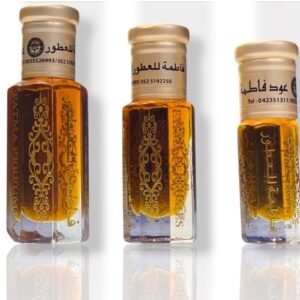
Agarwood appears in several forms, and each has a different pricing structure. Raw chips are priced by weight and grade. Oud oil, also called Dehn Al Oud, reflects the cost of raw material, distillation yield, time, fuel, water quality, aging, and distiller expertise. Oud perfumes combine oud with other fragrance materials, so their value depends on formula quality, concentration, and composition.
For a detailed comparison between oil and perfume, read Agarwood Oil vs Agarwood Perfume. If you are specifically comparing oil market trends, Fatma Perfumes also covers agarwood oil price trends.
In general, pure oud oil may seem expensive in small bottles because the distillation yield can be very low. Large quantities of agarwood may produce only a modest amount of oil, especially when the raw material is high grade. The scent then continues to mature with proper aging, making older oils more desirable to some collectors.
How Harvesting and Distillation Affect Market Value
Careful harvesting protects the quality of the material. Rough cutting, poor sorting, or mixing grades can reduce value. Skilled processors separate chips, dust, oil-grade wood, carving pieces, and premium incense pieces according to their best use.
Distillation also changes value. Traditional hydro-distillation, soaking time, copper or steel equipment, temperature control, and aging all influence the final oud oil. Poor distillation can flatten an otherwise beautiful material. Expert distillation can reveal depth, sweetness, and smoothness. Fatma Perfumes explains the process in how agarwood is harvested and distilled into luxury perfume.
Why the Same Agarwood Price Can Be Fair or Overpriced
A price is meaningful only when you know what the product is. A high price may be fair for rare, clean, legally sourced, high-resin agarwood with exceptional aroma. The same price would be unreasonable for low-resin wood with unclear origin or artificial scenting.
Before judging agarwood price, ask these practical questions:
- What is the origin? Ask for the country or region, not only a marketing name.
- Is it natural, treated, cultivated, or wild-origin? Each category carries different expectations.
- How does it smell on heat? A proper burn test reveals more than appearance.
- Is the grade clearly explained? Avoid relying only on terms such as “super” or “royal.”
- Can the seller discuss sourcing? Trustworthy suppliers understand legality and sustainability.
- Are you buying for incense, oil, perfume, resale, or collection? Purpose changes what quality means.
Beginners should also learn basic authenticity checks. Fatma Perfumes has a useful guide on how to identify pure agarwood.
Regional Demand and the Dubai Market
Dubai is one of the world’s most active markets for oud, attars, bakhoor, perfume oils, and luxury Arabian fragrance. Demand comes from local buyers, Gulf customers, tourists, collectors, and international traders. This strong demand can support premium pricing for high-quality oud, especially during gifting seasons and festive periods.
At the same time, Dubai offers a wide range of products, from accessible oud blends to rare collector-grade agarwood. Buyers should compare quality, not only labels. For more local buying context, see Fatma Perfumes’ guide to oud price in Dubai.
If you are comparing finished fragrances, the oud perfume collection can help you understand how agarwood notes appear in wearable compositions, while the Dehn Al Oud category focuses on concentrated oud oils.
Sustainability, CITES, and Legal Supply
Agarwood pricing cannot be separated from sustainability. Many Aquilaria species are regulated under CITES, the Convention on International Trade in Endangered Species of Wild Fauna and Flora. This does not mean all agarwood trade is banned. It means international trade must follow documentation and legal sourcing requirements.
Ethical sourcing may add cost, but it protects the future of the industry. Proper plantation development, controlled harvesting, documentation, and responsible export practices help buyers avoid illegal or questionable material. For serious buyers, legal confidence is part of the value.
Common Myths About Agarwood Price
Myth: Darker agarwood is always better
Dark color may indicate resin, but it is not proof of quality. Some low-quality wood can look dark due to treatment or surface aging. Scent and resin behavior matter more.
Myth: Sinking wood is the only valuable agarwood
Sinking agarwood is often prized because it suggests high resin density, but some excellent aromatic pieces may not fully sink. Buyers should assess aroma, cleanliness, and usage purpose.
Myth: Plantation agarwood has no luxury value
Good plantation agarwood can be impressive when trees mature properly and resin formation is managed well. The best plantation material offers traceability and consistent supply.
Myth: All oud oil gets better with age
Many oud oils age beautifully under proper storage, but poor-quality oil does not automatically become premium with time. Storage, raw material, and distillation quality all matter.
Buying Checklist: How to Judge Agarwood Before Paying
- Smell the agarwood before and during heating if possible.
- Check whether the scent feels natural, layered, and persistent.
- Ask about origin, grade, and intended use.
- Look for resin distribution inside the wood, not only on the surface.
- Avoid pieces that smell strongly of synthetic perfume, fuel, dye, or chemicals.
- Buy from suppliers who can explain their products clearly.
- Compare similar origins and grades, not unrelated materials.
- Store agarwood away from heat, moisture, and strong odors after purchase.
For broader reading, Fatma Perfumes’ agarwood price guide expands on why premium oud remains expensive, while the agarwood blog category covers additional educational topics for buyers and fragrance enthusiasts.
How Fatma Perfumes Approaches Agarwood Value
Fatma Perfumes evaluates agarwood with attention to aroma, origin, grade, usability, and customer purpose. A buyer looking for daily bakhoor does not need the same material as a collector searching for rare Hindi oud. A perfume lover may prefer a balanced oud perfume, while a traditional oud enthusiast may want pure chips or Dehn Al Oud.
This practical approach helps customers choose according to experience level, fragrance preference, and budget. Instead of treating agarwood price as a single number, Fatma Perfumes views it as a reflection of natural quality, sourcing care, and aromatic performance.
Frequently Asked Questions About Agarwood Price
Why is agarwood so expensive?
Agarwood is expensive because resin formation is rare, slow, and unpredictable. High-quality material requires mature trees, careful harvesting, proper sorting, and strong demand from perfume, incense, and collector markets.
What determines agarwood price the most?
Resin content, aroma quality, origin, age, grade, legal sourcing, and market demand are the main factors. Among these, scent performance and resin density usually carry the most influence.
Is wild agarwood more expensive than plantation agarwood?
Wild agarwood is often more expensive due to rarity and mature scent complexity. However, well-cultivated plantation agarwood can also be valuable, especially when it has good resin formation and legal traceability.
How can I tell if agarwood is pure?
Pure agarwood should smell natural when gently heated, with layered woody, resinous, balsamic, or sweet notes depending on origin. Strong chemical, perfumed, or artificial smells may indicate treatment. Buying from a knowledgeable supplier is the safest approach.
Does agarwood oil cost more than agarwood chips?
Oud oil can be costly because distillation requires significant raw material and skilled processing. The final price depends on the wood used, oil yield, distillation method, aging, and aroma quality.
Which agarwood origin is best?
There is no single best origin for everyone. Hindi oud is admired for depth and strength, Cambodi-style oud for sweetness, Malaysian and Indonesian oud for balance, and Sri Lankan or Philippine oud for distinctive regional elegance.
Does agarwood increase in value over time?
High-quality, well-stored agarwood may become more desirable as supply changes and collector demand grows. However, value depends on authenticity, grade, origin, condition, and market interest.
What is the safest way to buy agarwood?
Buy from a trusted supplier, ask about origin and grade, test the aroma when possible, avoid suspiciously cheap “premium” claims, and make sure the product suits your purpose, whether incense, perfume, oil, or collection.
Agarwood price makes sense when you understand the wood behind the number. Resin, origin, aroma, legality, craftsmanship, and demand all shape its market value. For personal guidance on oud chips, Dehn Al Oud, bakhoor, or oud perfumes, Visit Fatma Perfumes or Contact Us on WhatsApp.
 English
  العربية