Oud wood and sandalwood often sit beside each other in luxury perfumery, yet they are not the same material. Both are precious woods with deep cultural value, both can smell warm and meditative, and both appear in perfumes, attars, incense, bakhoor, and spiritual rituals. The difference lies in their origin, aroma chemistry, rarity, price, performance, and the way perfumers use them.
At Fatma Perfumes, customers often ask a simple question: “Should I choose oud wood or sandalwood?” The honest answer depends on the experience you want. Oud wood is darker, resinous, complex, and often more dramatic. Sandalwood is creamier, smoother, milky, and more comforting. One feels mysterious and regal; the other feels soft, polished, and serene.
This guide compares oud wood vs sandalwood in practical detail, so you can understand what you are smelling, why prices vary, and how to choose the right fragrance material for perfumes, oils, burning, or gifting.
Oud Wood vs Sandalwood: Quick Comparison
| Feature | Oud Wood | Sandalwood |
|---|---|---|
| Botanical source | Resinous heartwood from agarwood-producing trees, mainly Aquilaria and Gyrinops species | Fragrant heartwood from Santalum species, especially Indian sandalwood, Santalum album |
| Aroma profile | Woody, resinous, smoky, leathery, animalic, sweet, earthy, balsamic | Creamy, soft, milky, woody, slightly sweet, warm, smooth |
| Intensity | Usually powerful and complex | Usually gentle and rounded |
| Price range | Often very expensive due to rarity, resin quality, origin, and aging | Can be expensive, especially high-quality Indian sandalwood oil, but generally more predictable |
| Best use | Luxury oud perfumes, Dehn Al Oud, bakhoor, incense, traditional gifting | Attars, creamy bases, spiritual incense, skincare-inspired accords, soft woody perfumes |
What Is Oud Wood?
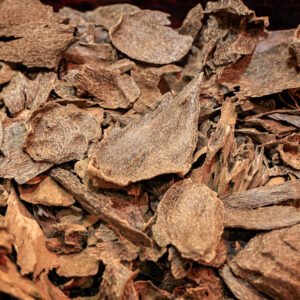
Oud wood comes from agarwood, the resin-rich heartwood formed inside certain trees when they respond to natural infection, injury, or induced inoculation. Not every agarwood tree produces valuable resin. The finest material develops when the tree creates dark, aromatic resin as a protective response over time.
This is why oud is often described as “liquid gold” in oil form and one of the most precious natural fragrance materials in the world. Its scent can move from smoky and earthy to honeyed, fruity, leathery, medicinal, or animalic depending on the species, region, resin density, age, and distillation style.
For a deeper botanical explanation, Fatma Perfumes has covered the source tree in detail in the agarwood tree guide. If you are comparing terminology, the guide on agarwood vs oudh also helps clarify how the raw wood, resin, and fragrance oil are connected.
What Is Sandalwood?
Sandalwood is the aromatic heartwood of trees from the Santalum genus. Indian sandalwood, known botanically as Santalum album, is one of the most famous and historically valued types. Australian sandalwood, Santalum spicatum, is also widely used in modern perfumery.
Unlike oud, sandalwood does not rely on resin formation through infection in the same way. Its fragrance comes from naturally occurring aromatic compounds in the heartwood, especially santalols, which give sandalwood its creamy, smooth, long-lasting character. Mature heartwood usually offers better depth than young wood.
Sandalwood has been used for centuries in Indian, Middle Eastern, Chinese, and Buddhist traditions. It appears in incense, temple rituals, attars, cosmetics, and fine perfumery. Its scent feels calm and polished, which makes it one of the most beloved base notes in both Eastern and Western fragrance compositions.
How They Smell: The Main Difference
The easiest way to understand the difference is this: oud wood is more dramatic; sandalwood is more soothing.
Oud can smell dark, smoky, resinous, fermented, leathery, sweet, earthy, or even barnyard-like in traditional oils. Some types, such as Cambodi-style oud, may lean sweeter and fruitier, while Hindi oud often carries a deeper, more animalic and medicinal tone. If you enjoy regional oud comparisons, Fatma Perfumes’ article on Oudh Hindi vs Oudh Cambodi explains these contrasts well.
Sandalwood, by comparison, smells creamy and rounded. It rarely shouts. It softens sharp notes, adds body to florals, gives warmth to musks, and helps perfumes feel smooth on the skin. A perfume with sandalwood can feel intimate and elegant; a perfume with rich oud can feel ceremonial, powerful, and highly distinctive.
Expert tip from Fatma Perfumes: If a woody perfume smells smoky, resinous, dark, and complex, oud is likely shaping the composition. If it smells creamy, milky, soft, and velvety, sandalwood is probably doing the quiet work in the base.
Botanical and Production Differences
Oud and sandalwood differ long before they reach a perfumer’s blending table. Their formation, harvesting, and extraction methods influence their price and character.
Oud Wood Formation
Oud forms when an agarwood-producing tree develops aromatic resin in the heartwood. This may happen naturally or through carefully managed inoculation in plantations. Resin-rich wood can then be sorted into grades for burning, carving, or distillation into oud oil.
High-quality oud wood often shows dark resin veins, noticeable weight, and a complex aroma when gently heated. Those learning to evaluate oud can read Fatma Perfumes’ beginner-friendly guide on how to identify pure agarwood.
Sandalwood Heartwood Development
Sandalwood fragrance develops as the tree matures and aromatic compounds concentrate in the heartwood and roots. The wood is usually chipped, powdered, or steam distilled to produce sandalwood essential oil. Older trees typically produce richer oil, though quality also depends on species, origin, storage, and distillation care.
Because sandalwood trees need years to mature, sustainable management matters. Indian sandalwood has faced overharvesting and strict regulation in different regions, while plantation-grown sandalwood now plays an important role in supply.
Extraction: Oud Oil vs Sandalwood Oil
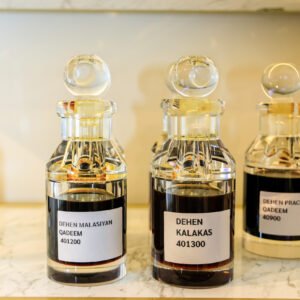
Oud oil, also called Dehn Al Oud, is commonly produced by distilling resinous agarwood chips. Traditional hydrodistillation, steam distillation, soaking time, wood grade, and distiller skill all affect the final scent. Aged oud oil may become smoother, deeper, and more rounded when stored properly.
Sandalwood oil is usually steam distilled from heartwood and roots. It is prized for its fixative quality, meaning it helps a perfume last longer and gives other notes a soft, stable base. It blends beautifully with rose, amber, musk, saffron, vanilla, incense, and oud itself.
If you want to understand how agarwood moves from harvested wood to perfume material, Fatma Perfumes explains the process in how agarwood is harvested and distilled into luxury perfume. For pure oud oils, you can also browse the Dehn Al Oud collection.
Which Is More Expensive: Oud Wood or Sandalwood?
Oud wood is generally more expensive than sandalwood, especially when it is natural, resin-rich, aged, rare, and from a respected origin. Some exceptional agarwood pieces and aged oud oils command very high prices because resin formation is unpredictable and high-grade material is limited.
Sandalwood can also be costly, particularly high-quality Indian sandalwood oil. However, its pricing is usually less extreme than top-grade oud. The market for oud is heavily influenced by origin, grade, resin content, aroma style, scarcity, and buyer trust. For a practical look at market factors, see Fatma Perfumes’ guide to oud price in Dubai.
Uses in Perfumery, Attars, and Incense
Oud wood and sandalwood both serve as base materials, but perfumers use them differently.
- Oud wood in perfume: Adds depth, mystery, projection, and a luxurious Middle Eastern signature.
- Sandalwood in perfume: Adds creaminess, warmth, smoothness, and excellent blending support.
- Oud in incense and bakhoor: Creates a rich, smoky atmosphere and is widely used for hospitality, prayer, and special occasions.
- Sandalwood incense: Creates a calm, meditative, and clean woody atmosphere.
- Oud and sandalwood together: Oud gives character; sandalwood rounds the edges and makes the blend more wearable.
For home fragrance and traditional burning, explore Fatma Perfumes’ bakhoor and dukhoon selection, including options such as دُخون سلوى. For wearable compositions, the oud perfume collection offers refined ways to experience oud in modern fragrance form.
Regional Character: Oud Has More Variation
One of the reasons oud fascinates collectors is its regional diversity. Indian oud may smell deep, animalic, leathery, and traditional. Cambodian-style oud is often associated with sweeter, fruitier warmth. Malaysian and Indonesian oud can show earthy, green, smoky, or resinous facets. Sri Lankan and Philippine oud may bring their own elegant profiles depending on grade and source.
Sandalwood also varies by origin, but its identity remains more consistent. Indian sandalwood is usually creamier and richer, while Australian sandalwood can smell drier, woodier, and slightly sharper. Both have value, but oud usually offers a wider spectrum of scent personalities.
To explore regional oud styles, Fatma Perfumes offers categories such as العود الهندي, Malaysian oud، Philippine oud.
How to Choose Between Oud Wood and Sandalwood
Choose oud wood if you want a bold, luxurious, and memorable scent. It suits people who enjoy depth, tradition, smoke, resin, and complexity. It is especially suitable for evening wear, special gatherings, gifting, and those who appreciate Arabic perfumery.
Choose sandalwood if you prefer a softer, smoother, and more comforting woody note. It suits daily wear, layering, meditation, intimate perfumes, and blends where you want warmth without too much intensity.
Buying Checklist
- Smell before buying when possible: Oud varies greatly, so personal testing matters.
- Ask about origin: Region can influence scent profile and price.
- Check resin content in oud wood: Dark, fragrant, weighty pieces are often more desirable.
- Be cautious with very cheap “pure oud” claims: True high-grade oud is rarely inexpensive.
- Buy from trusted suppliers: Expertise and transparent sourcing reduce the risk of poor-quality material.
- Consider the use: Burning wood, perfume oil, spray perfume, and bakhoor require different grades and formats.
If you are new to oud, starting with a finished fragrance such as عود بريميوم or a balanced blend like عود الورد can be easier than beginning with raw wood. For a broader selection, visit the oud collection.
Sustainability and Trust
Sustainability matters in both oud and sandalwood. Agarwood-producing species such as Aquilaria and Gyrinops are regulated under CITES Appendix II, which means international trade requires proper documentation and responsible sourcing. This regulation helps protect wild populations while supporting legal plantation-grown supply.
Sandalwood has also faced pressure from overharvesting, particularly Indian sandalwood in certain regions. Today, legal sourcing, plantation cultivation, and traceable supply chains are essential for ethical trade.
Fatma Perfumes encourages customers to focus on quality, authenticity, and responsible sourcing rather than only chasing the lowest price. Fine fragrance materials should be enjoyed with respect for the tree, the craft, and the tradition behind them.
Common Myths About Oud Wood and Sandalwood
- Myth: Oud and sandalwood smell the same.
Fact: Oud is usually darker and resinous, while sandalwood is creamier and softer. - Myth: All oud smells smoky.
Fact: Some oud smells fruity, sweet, floral, medicinal, earthy, or leathery depending on origin and processing. - Myth: Sandalwood is always cheap.
Fact: Genuine high-quality sandalwood oil can be expensive due to slow tree growth and limited supply. - Myth: Stronger always means better.
Fact: Balance, purity, complexity, and suitability matter more than raw intensity.
Final Verdict: Which One Is Better?
Neither oud wood nor sandalwood is automatically better. They serve different moods and fragrance styles. Oud is the choice for depth, prestige, smoke, resin, and unmistakable character. Sandalwood is the choice for softness, creaminess, warmth, and elegant smoothness.
The most beautiful perfumes often use both. Sandalwood can make oud feel more rounded and wearable, while oud can give sandalwood power and distinction. This harmony explains why many luxury Arabic fragrances combine oud, sandalwood, rose, amber, musk, and spices in carefully layered compositions.
To keep learning about oud, agarwood, perfume oils, and Arabic fragrance culture, explore the Fatma Perfumes blogs and articles.
Frequently Asked Questions
Is oud wood the same as sandalwood?
No. Oud wood comes from resinous agarwood formed in Aquilaria or Gyrinops trees, while sandalwood comes from fragrant heartwood of Santalum trees. Oud is usually darker, smokier, and more complex. Sandalwood is creamier, softer, and smoother.
Which smells better, oud or sandalwood?
It depends on personal taste. Oud is better for those who enjoy bold, resinous, luxurious scents. Sandalwood is better for people who prefer creamy, calm, and gentle woody fragrances.
Why is oud wood more expensive than sandalwood?
Oud wood is often more expensive because high-quality resin formation is rare, slow, and highly variable. Origin, resin density, grade, aging, and legal sourcing also affect price. Sandalwood can be costly too, but top-grade oud usually reaches higher prices.
Can oud and sandalwood be blended together?
Yes. Oud and sandalwood blend beautifully. Sandalwood softens oud’s intense edges, while oud adds depth and richness to sandalwood. Many luxury attars and Arabic perfumes use both notes.
Is oud wood suitable for daily wear?
Some oud perfumes are suitable for daily wear, especially softer blends with musk, rose, amber, or sandalwood. Very strong traditional oud oils may feel better for evenings, special occasions, or personal fragrance rituals.
Is sandalwood longer lasting than oud?
Both can last a long time. Sandalwood is an excellent fixative and often stays close to the skin. Oud can be extremely long-lasting and more noticeable, depending on concentration, quality, and formulation.
How should oud wood and sandalwood be stored?
Store both away from heat, sunlight, and excess moisture. Keep oils tightly closed in glass bottles. Keep wood chips in clean, dry containers so their aroma remains stable and protected from contamination.
Where can I buy quality oud wood and oud perfumes in the UAE?
Buy from a trusted fragrance specialist that understands oud grades, origins, and traditional usage. Fatma Perfumes offers oud, Dehn Al Oud, bakhoor, dukhoon, and luxury perfume options for customers who value authenticity and expert selection.
For expert help choosing oud wood, Dehn Al Oud, bakhoor, or a luxury oud perfume, Visit Fatma Perfumes أو Contact Us on WhatsApp.
 English
  العربية