Oud wood has a rare place in luxury perfumery because it behaves unlike almost any other natural aromatic material. It is dark yet radiant, animalic yet polished, smoky yet sweet, and capable of giving a perfume remarkable depth with only a small amount. For many fragrance houses, especially in the Middle East, oud is not just another woody note; it is a signature of refinement, heritage, and lasting presence.
At Fatma Perfumes, oud is treated as both a raw material and an art form. The finest creations begin with understanding where agarwood comes from, how resin develops inside the tree, how the oil is extracted, and how perfumers balance its intensity with florals, spices, musks, ambers, and woods. This guide explains how oud wood is used in luxury perfumery, what makes it valuable, and how to recognize a well-crafted oud fragrance.
What Is Oud Wood in Perfumery?
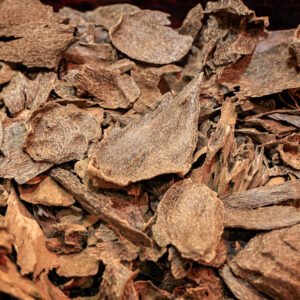
Oud wood comes from resin-rich agarwood, which forms inside certain species of Aquilaria and related trees when the tree responds to natural stress, injury, or microbial activity. The pale, ordinary wood gradually develops a dark aromatic resin. This resinous wood is what perfumers, distillers, incense makers, and oud traders value.
In perfumery, the term “oud wood” may refer to several related materials:
- Raw agarwood chips: Burned as incense, used in bakhoor and dukhoon, or evaluated for oil quality.
- Dehn al oud: Pure oud oil distilled from resinous agarwood.
- Oud accords: Perfume compositions designed to recreate or enhance the smell of oud.
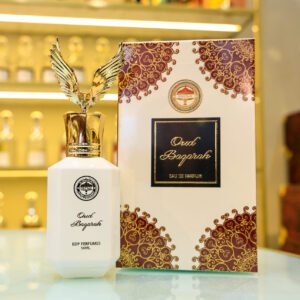
- Oud-based perfumes: Finished fragrances where oud is a dominant or supporting note.
For a deeper botanical explanation, Fatma Perfumes readers may explore the agarwood tree as the natural source of oud. If you are comparing terminology, this guide on agarwood vs oudh explains the difference clearly.
Why Oud Wood Is So Important in Luxury Perfumes
Oud has become a hallmark of premium perfumery because it offers complexity that is difficult to imitate fully. A high-quality oud material can smell smoky, leathery, balsamic, woody, earthy, sweet, medicinal, spicy, or even fruity depending on origin, age, distillation method, and grade.
Luxury perfumers value oud wood for three main reasons:
- Depth: Oud gives a fragrance a rich base that feels layered rather than flat.
- Longevity: Oud oil and oud accords often help perfumes last longer on skin and fabric.
- Character: Oud creates a memorable identity, especially in oriental, Arabian, niche, and high-end woody perfumes.
Expert note from Fatma Perfumes: A refined oud perfume should not smell harsh from the first spray to the dry-down. The best compositions allow oud to unfold gradually, revealing warmth, smoke, sweetness, leather, or resin over time.
How Oud Wood Becomes a Perfume Ingredient
Before oud appears in a luxury bottle, it passes through a careful process. The quality of the final fragrance depends heavily on the quality of the agarwood, how it is harvested, and how it is distilled.
1. Resin Formation in the Tree
Healthy agarwood trees do not automatically contain valuable resin throughout the trunk. Resin forms as a natural defense response. Over years, affected areas become darker, heavier, and more aromatic. This is why genuine oud wood is scarce and expensive compared with ordinary woods used in perfumery.
2. Harvesting and Sorting
Harvested agarwood is cleaned, sorted, and graded according to resin content, aroma, density, color, origin, and burning quality. Dense, resin-rich pieces are often reserved for incense and collectors, while other grades may be distilled into oil. Readers interested in the full process can read Fatma Perfumes’ guide on how agarwood is harvested and distilled into luxury perfume.
3. Distillation into Oud Oil
To produce dehn al oud, agarwood chips are commonly soaked and distilled, often through hydro-distillation or steam distillation depending on the producer’s method and desired aroma. Distillation choices influence the final profile: some oils become smoky and animalic, while others lean sweet, woody, soft, or fermented.
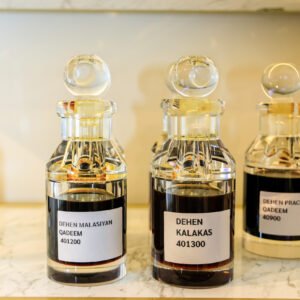
Fatma Perfumes offers oud lovers access to the Dehn Al Oud collection, where oud oil is appreciated in its concentrated, traditional form.
How Perfumers Use Oud Wood in a Composition
Oud is powerful, so perfumers rarely treat it casually. It can dominate a formula if used without balance. In luxury perfumery, oud wood is usually placed in the base, where it supports the fragrance after the top and heart notes fade.
| Perfume Role | How Oud Wood Is Used | Effect on the Fragrance |
|---|---|---|
| Base note | Added to the foundation of the perfume | Creates depth, warmth, and long-lasting richness |
| Fixative | Used to slow evaporation of lighter notes | Improves longevity and smoothness |
| Signature note | Made the central theme of the perfume | Gives a bold, luxurious oud identity |
| Accent | Used in small amounts with florals, amber, or musk | Adds sophistication without becoming heavy |
Popular Oud Pairings in Luxury Perfumery
Oud wood is versatile, but it needs thoughtful companions. The right pairing can soften, brighten, sweeten, or intensify oud.
Oud and Rose
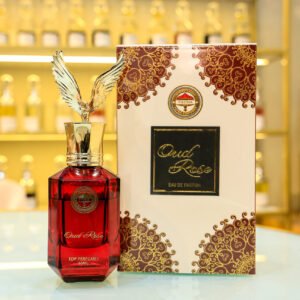
Oud and rose is one of the most respected pairings in Arabian and niche perfumery. Rose brings floral brightness and elegance, while oud adds shadow, texture, and sensuality. The result can feel romantic, regal, and deeply traditional. Fatma Perfumes’ عود الورد is a natural example of this beloved direction, while readers who enjoy floral depth may also appreciate the story of Tyfe Rose as a luxurious romantic scent.
Oud and Musk
Musk smooths oud’s sharper edges and makes it more wearable. This style is often preferred by people who want oud’s richness without an overly smoky or barnyard-like character. عود المسك reflects this softer, more skin-friendly approach.
Oud and Amber
Amber gives oud warmth, sweetness, and a golden resinous glow. The combination is common in long-lasting evening perfumes, especially those designed for colder weather, formal occasions, and traditional gatherings.
Oud and Spices
Saffron, cardamom, cinnamon, clove, and pepper can make oud feel more vibrant. Spicy oud perfumes are often bold, confident, and excellent for people who enjoy statement fragrances.
Oud and Citrus
Citrus notes such as bergamot, lemon, and mandarin can lift oud in the opening. This contrast makes oud perfumes feel fresher at first, before settling into a deeper woody base.
Natural Oud Oil vs Oud Accord: What Luxury Brands Use
Not every oud perfume contains a large amount of natural oud oil. Some luxury perfumes use pure oud oil, some use a small amount blended with other materials, and others rely mainly on an oud accord. This is not automatically negative. A well-built oud accord can create consistency, reduce cost, improve stability, and make the perfume more wearable for a wider audience.
| Material | Typical Character | Best For |
|---|---|---|
| Natural oud oil | Complex, evolving, resinous, sometimes smoky or animalic | Attars, luxury oud perfumes, collectors, traditional wear |
| Oud accord | Controlled, polished, often smoother and more modern | Western-style perfumes, designer oud fragrances, daily wear |
| Hybrid composition | Natural depth with improved balance and projection | Premium modern oud perfumes |
For a useful comparison between oil and finished fragrance, read agarwood oil vs agarwood perfume.
Regional Oud Profiles Perfumers Love
Origin matters. Soil, climate, tree species, resin age, and distillation style all influence how oud smells. Experienced buyers often recognize regional personalities, though every batch should still be judged individually.
- Hindi oud: Often deep, leathery, mature, animalic, and traditional. Explore Fatma Perfumes’ Indian Oud / Hindi Oud collection.
- Cambodi-style oud: Commonly associated with sweet, fruity, honeyed, and rounded oud profiles.
- Malaysian oud: Often woody, smooth, and balanced, with green or resinous facets. See the Malaysian Oud selection.
- Indonesian oud: Frequently smoky, dry, forest-like, and complex. Browse عود إندونيسي for regional examples.
- Sri Lankan oud: Can show elegant woody, resinous, and refined smoky nuances. Fatma Perfumes also features عود سريلانكي.
- Philippine oud: Appreciated by many enthusiasts for distinctive resinous and woody character. Explore عود فلبيني.
If you are comparing two famous oud styles, Fatma Perfumes’ article on Oudh Hindi vs Oudh Cambodi is a helpful next read.
Oud Wood in Perfumes, Attars, Bakhoor, and Dukhoon
Luxury perfumery is not limited to alcohol-based sprays. In Arabian fragrance culture, oud wood appears in several forms, each with a distinct experience.
Oud Perfumes
Oud perfumes combine oud with alcohol or oil-based perfume compositions. They may be bold and smoky, soft and musky, floral and romantic, or amber-rich and opulent. Fatma Perfumes offers a dedicated Oud Perfume collection for those who prefer ready-to-wear scents.
Attars and Perfume Oils
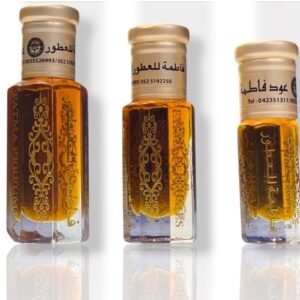
Attars are concentrated oil-based fragrances, often applied directly to pulse points. Oud attars are prized for closeness, longevity, and richness. They tend to sit more intimately than sprays, making them ideal for personal fragrance rituals.
Bakhoor and Dukhoon
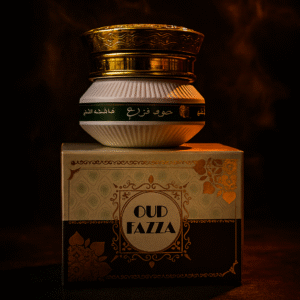
Oud wood chips, aromatic resins, and perfume oils are often blended into bakhoor or dukhoon for home fragrance, clothing, and hospitality. Products such as دُخون سلوى show how oud-inspired smoke can create atmosphere beyond the skin.
For more on traditional burning and oil use, read the magic of oudh perfume oils and burners.
How to Recognize a Well-Made Oud Perfume
A luxury oud perfume should feel balanced from opening to dry-down. Strong does not always mean high quality. Sometimes the most elegant oud perfumes are measured, smooth, and beautifully blended.
- The opening is not aggressively synthetic or harsh. Some boldness is normal, but it should not feel flat or chemical.
- The oud develops over time. Quality oud often reveals different facets as it warms on the skin.
- The supporting notes make sense. Rose, saffron, musk, amber, sandalwood, leather, and patchouli are common companions.
- The dry-down is memorable. Oud’s beauty often appears after the first 30 minutes.
- Performance suits the style. A rich oud may project strongly, while an attar may stay closer but last for many hours.
If you are buying oud in the UAE, Fatma Perfumes’ guide to oud perfume in the UAE gives practical direction on styles and buying considerations.
Sustainability, CITES, and Responsible Oud Use
Because agarwood has been heavily traded for centuries, responsible sourcing matters. Many agarwood-producing species are regulated under CITES Appendix II, meaning international trade must be controlled to help protect wild populations. Reputable suppliers pay attention to documentation, plantation sources, legal harvesting, and traceability.
Modern luxury perfumery increasingly depends on a mix of legally sourced natural oud, cultivated agarwood, careful distillation, and skillfully built accords. This approach helps preserve the beauty of oud while supporting a more responsible future for the fragrance industry.
Buying Tips: Choosing Oud Wood Fragrances with Confidence
Before buying an oud perfume, oil, or wood chip, consider how you plan to use it. A perfume for daily wear may need a smoother profile, while collectors may prefer a more intense Hindi, Cambodi, Malaysian, or Sri Lankan character.
- Test the dry-down: Oud changes significantly after the opening.
- Check the concentration: Oil-based oud, eau de parfum, and pure dehn al oud behave differently.
- Ask about origin: Regional identity can guide expectations.
- Avoid judging by color alone: Dark color may suggest resin, but aroma and authenticity matter more.
- Buy from specialists: Oud requires experience to source, grade, and blend properly.
To compare options, browse the Fatma Perfumes Oud collection or visit the online shop for perfumes, oud, oils, and dukhoon.
Common Myths About Oud Wood in Perfumery
| Myth | Reality |
|---|---|
| All oud smells the same. | Oud varies widely by region, grade, age, and distillation method. |
| The strongest oud is always the best. | Balance, smoothness, complexity, and dry-down are better quality indicators. |
| Every oud perfume contains pure oud oil. | Some use natural oil, some use accords, and many use a combination. |
| Oud is only for men. | Oud is widely used in fragrances for men, women, and unisex compositions. |
Frequently Asked Questions About Oud Wood in Luxury Perfumery
What does oud wood smell like in perfume?
Oud wood can smell woody, smoky, resinous, leathery, earthy, sweet, spicy, or animalic. Its exact scent depends on the agarwood origin, resin content, age, and distillation method.
Why is oud wood used in luxury perfumes?
Oud is used because it adds depth, longevity, warmth, and a distinctive luxurious character. It also works beautifully as a base note and fixative in premium fragrance compositions.
Is oud wood the same as agarwood?
Agarwood is the resinous wood formed inside certain trees, while oud usually refers to the aromatic material used in perfumery, incense, or oil. In everyday fragrance language, the terms are often closely connected.
Is natural oud oil better than an oud accord?
Natural oud oil offers unique complexity, but a well-made oud accord can be smoother, more consistent, and easier to wear. Many luxury perfumes use both natural oud and carefully crafted accords.
Which notes pair best with oud?
Oud pairs especially well with rose, saffron, amber, musk, sandalwood, patchouli, leather, vanilla, and spices. Rose and oud remains one of the most admired combinations in Arabian perfumery.
Can oud perfume be worn daily?
Yes, but choose the style carefully. Soft musk oud, floral oud, and fresh woody oud perfumes are easier for daily wear, while intense smoky or animalic oud is often preferred for evenings and special occasions.
How should oud perfumes and oils be stored?
Store oud perfumes and oils away from heat, direct sunlight, and humidity. Keep bottles tightly closed. Proper storage helps preserve aroma, texture, and performance over time.
Why are some oud perfumes expensive?
Oud perfumes may be expensive because genuine resin-rich agarwood is rare, harvesting and distillation require expertise, and high-quality oud oil is produced in limited quantities. Brand craftsmanship and concentration also affect price.
Oud wood remains one of perfumery’s most fascinating materials because it carries history, craftsmanship, and emotion in a single note. Used with skill, it can make a fragrance feel intimate, powerful, elegant, or ceremonial. The finest oud perfumes are not simply strong; they are balanced, layered, and memorable from the first impression to the final trace on the skin.
For carefully selected oud, oud perfumes, dehn al oud, bakhoor, and luxury fragrance creations, Visit Fatma Perfumes أو Contact Us on WhatsApp.
 English
  العربية